Thursday, July 17, 2025
Debbi DiMaggio


salman-saqib-93AF-d_y8rI-unsplash

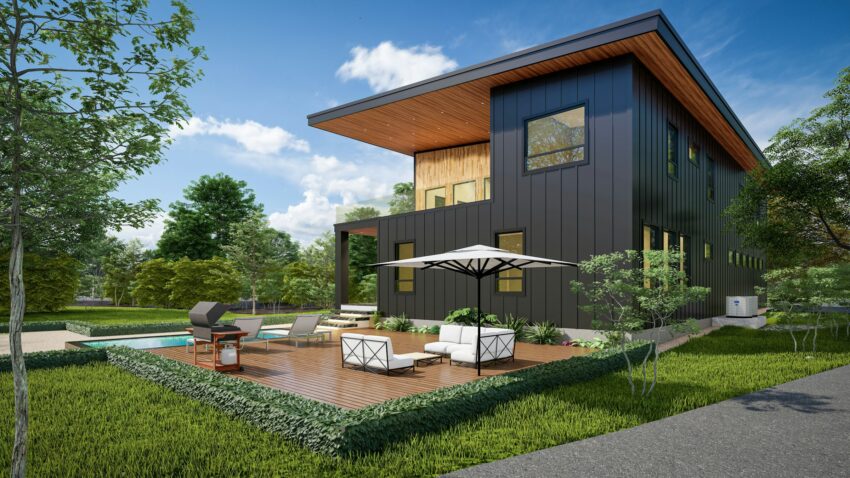
Are you selling your home and need to stage the outdoor space, but have never done it before? Maybe your yard feels too large to manage, or you’re trying to prepare while relocating at the same time. Don’t worry. Staging outdoor spaces doesn’t have to be complicated or expensive. With a few clear steps, you can make your garden, patio, or balcony work for you. Buyers often form opinions before they even walk inside. That’s why a clean, well-staged outdoor area matters. In this guide, you’ll learn how to stage outdoor spaces in a way that draws interest and helps your home sell faster, no matter the season or situation.

First, Clear and Clean the Area

Start by removing clutter. This includes kids’ toys, garden tools, pet items, and broken furniture. Clean walkways, sweep patios, and remove cobwebs. Trim overgrown plants and cut the grass. Power wash the driveway and outdoor furniture. A clean area feels larger and more inviting. The space is too busy; it can distract buyers. They want to imagine how they would use the space, not how you use it. Keeping it simple helps them do that.

Piedmont 02-1017 (1)

Relocation and Staging at the Same Time

If you are relocating, you may feel too busy to stage your outdoor area. However, this is still important as you get ready for relocation, which may be imminent or scheduled for a couple of weeks. Pack personal items from the yard first. Keep just a few things outside to show purpose. Do not move things in and out repeatedly. Instead, pack them once and place them in a storage unit, garage, or a friend’s home. Avoid stacking boxes in living spaces. Buyers need to walk through freely and imagine the home as theirs, not a packing zone. Keep your moving process separate from their viewing experience. That’s how you create buyer appeal even in the middle of a relocation.

Use Furniture to Define Purpose

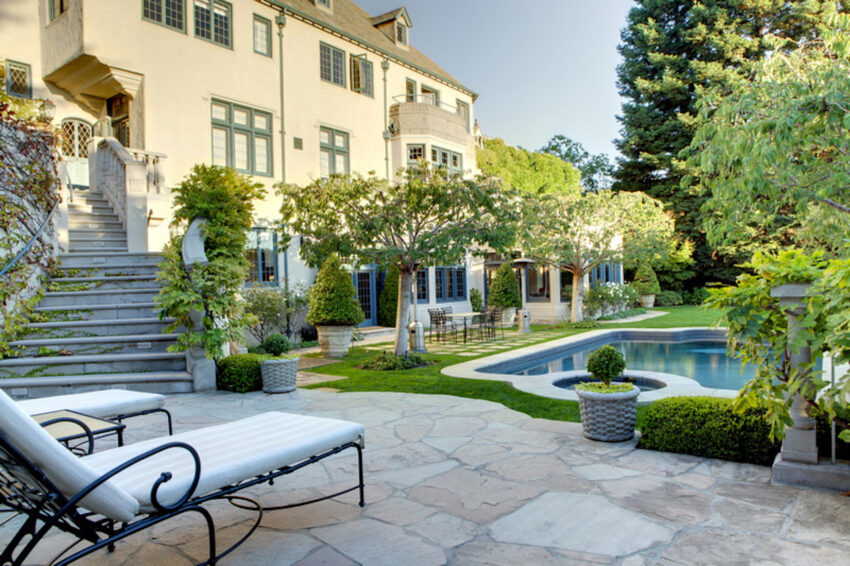
Arrange furniture to demonstrate how the space can be utilized. Your home should look like it’s designed to sell– furniture with purpose, a good floor plan, and neutral furniture. A small table with two chairs suggests a quiet spot for morning coffee. A fire pit with benches can hint at evening gatherings. Keep the furniture clean and in good condition. Don’t overcrowd the area. Buyers need space to walk around freely. Focus on creating small zones with a clear purpose. If your space is very small, even one bench with cushions is enough to suggest comfort and use.

Add Simple Touches for Warmth

Outdoor cushions, potted plants, or a new welcome mat can make a space feel fresh. Choose neutral colors that appeal to most buyers. Solar lights along the path or string lights over a deck can help if you’re holding evening viewings. These small changes are low-cost but make a big difference. Avoid seasonal decorations unless your sale lines up exactly with a holiday. Keep it general so the space stays appealing throughout your listing period.
 

2 Sea-View-pool-2 (1)

Make Outdoor Spaces Look Easy to Maintain

Buyers think about work, not just beauty. If the outdoor area looks hard to maintain, they might lose interest. Use mulch in garden beds to reduce weeds. Choose plants that don’t need much care. Hide bins and tools in a storage box or shed. Avoid showing projects that look unfinished. The goal is to make the space feel easy, relaxing, and move-in ready. Simple spaces feel more practical and safer for families with kids or pets. Here are smart tips for staging to make outdoor areas look low-maintenance:

  • Use mulch to prevent weed growth and improve visual appeal
  • Pick drought-tolerant plants and native species
  • Keep the lawn short and evenly cut
  • Store tools, hoses, and bins out of sight
  • Repair or remove unfinished garden projects
  • Clean up fallen leaves, branches, and debris
  • Avoid cluttering the space with too many pots or ornaments.

How to Stage Outdoor Spaces in Flats or Small Homes

If you’re selling a flat, even a small balcony can work. Clean the floor and remove clutter. Add a chair and plant, or a small table if it fits. Clean glass doors or windows to make the space feel bigger. Hang one piece of outdoor art or a wind chime to show personality. If you don’t have a balcony, make sure the view from the windows looks tidy. Trim plants or clear rubbish from shared gardens, if possible. Small touches still matter.

Consider Buyers Who Value Privacy

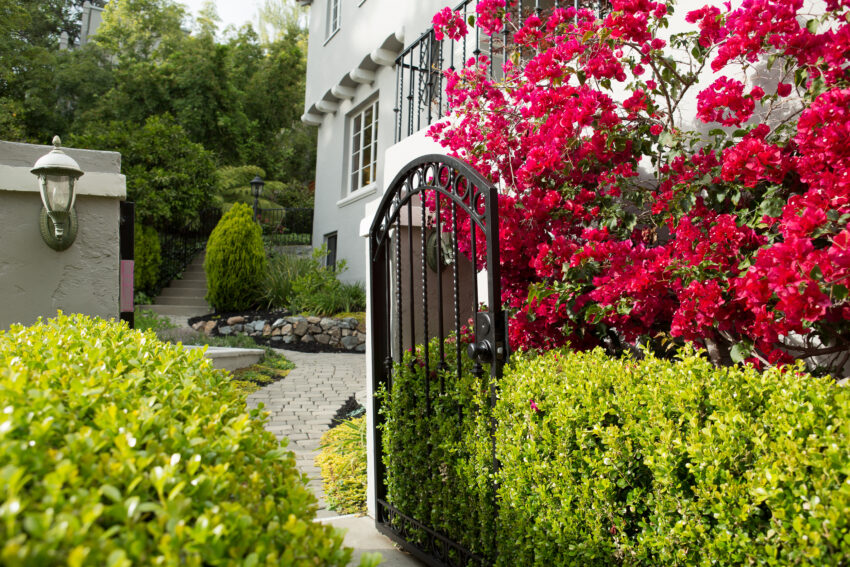
Privacy matters to many buyers. If your outdoor area is close to neighbors, add elements that make the space feel private. This can include tall plants, outdoor screens, or a well-placed umbrella. Even thin curtains on a patio door can help. Don’t block too much light, but aim to create the feeling of comfort. Buyers want to imagine using the space without feeling watched. This emotional detail can increase their interest.
Sandringham-084

Don’t Forget Photos and Timing

Stage the space before photos. Outdoor photos make a strong first impression online. Take pictures in daylight, ideally in the morning or late afternoon. Avoid harsh shadows. Show at least one wide shot and one close-up of key features, such as a deck or garden. If the weather is bad, consider using older photos from better days, only if the current condition matches. Make sure your staged space looks the same in person as it does in the photos.

Final Thoughts on How to Stage Outdoor Spaces

Now you know how to stage outdoor spaces for buyer appeal—even if you’re juggling a move, dealing with a big yard, or starting from scratch. Clean things up, give each area a clear purpose, and keep the style simple but welcoming. A few plants, clean furniture, and tidy paths can go a long way. Don’t overthink it. Buyers aren’t looking for perfection; they’re looking for potential. Show them a space that feels calm, cared for, and ready for their next barbecue or morning coffee. Great outdoor staging doesn’t just help sell a home; it makes the whole place feel more alive. So grab that broom, fluff those cushions, and let your yard do the talking.


Wednesday, June 11, 2025
Debbi DiMaggio


White corner sofa near fireplace. Scandinavian home interior design of modern living room.

White corner sofa near fireplace. Scandinavian home interior design of modern living room.

Creating a space that blends wellness and design in modern homes is the ultimate balance of functionality and aesthetics. More people are becoming mindful of how their living spaces impact their physical and mental well-being. Blending wellness and design in modern homes can transform the environment into a sanctuary that nurtures the mind, body, and spirit. In this article, we’ll explore effective ways to transform your home and achieve this balance, creating a harmonious, health-promoting living space.

Prioritize Natural Light

Try maximizing natural light as it’s one of the most impactful ways to blend wellness and design in modern homes. Natural light not only makes your home look more inviting but also contributes to your overall well-being. Exposure to natural light can improve mood, boost energy, and regulate circadian rhythms, which helps in achieving better sleep patterns.

Incorporating large windows, skylights, and open spaces into your design can allow for more light to fill your home. Consider placing mirrors strategically to reflect light and brighten dark corners. By positioning furniture near windows and opening up space to allow light to enter, you can make your home feel more alive and welcoming, while also supporting a healthy lifestyle.

Incorporate Biophilic Design

Biophilic design is all about bringing nature indoors. Incorporating elements of nature into your home can positively affect your mental and physical health. This design philosophy involves using natural materials, colors, and plants to create a soothing and grounded environment.

To blend wellness and design in modern homes, consider using materials like wood, stone, and clay in furniture or flooring. Adding indoor plants is another easy way to enhance biophilic design. Plants purify the air, reduce stress, and increase feelings of calmness. You can also create a sense of connection to nature by incorporating water features like a small fountain or an aquarium.


AdobeStock_625579893

Relocating Your Houseplants for Better Air Quality

Houseplants are a simple yet powerful tool in improving indoor air quality. When relocating your houseplants in your new space, think about their placement. Certain plants, like peace lilies and snake plants, are particularly effective at filtering indoor air and absorbing toxins. Not only do they improve air quality, but they also add to the aesthetic appeal of your home.

Strategically placing plants in areas with optimal light and humidity can enhance their effectiveness. In addition to their functional benefits, plants bring an organic element to your design, complementing the biophilic aspects of your home. Relocating your houseplants to areas where they thrive will benefit your wellness and improve the overall design of your space.

Focus on Functional Spaces

Wellness in the home doesn’t only come from aesthetics—it’s also about functionality. When designing a wellness-centered space, make your big home feel cozy and consider how each room serves your needs. Incorporate areas that encourage movement, relaxation, and creativity.

For example, setting up a home gym or yoga space not only adds value to your home but encourages physical well-being. Designate a quiet corner for meditation or reading to support mental health. A space that supports physical, mental, and emotional well-being will enhance your overall lifestyle, making it easier to relax and recharge.

Select Calming Color Palettes

Colors have a profound effect on mood and mental health. When blending wellness and design in modern homes, selecting calming color palettes can create a peaceful atmosphere. Soft, neutral colors like whites, light grays, and earthy tones are ideal for creating a serene space.

For areas where relaxation is key, such as the bedroom or living room, choose calming shades that evoke a sense of tranquility. Blue tones are known for their calming effect, while greens help promote balance and relaxation. You can also incorporate pops of vibrant colors in smaller doses to energize the space while still maintaining a peaceful overall vibe.


Use Sustainable Materials

Sustainability plays a significant role in both wellness and design. Choosing sustainable materials for furniture, flooring, and decor not only reduces your environmental footprint but also contributes to a healthier home. Non-toxic materials, like low-VOC paints, natural wood, and organic fabrics, ensure better indoor air quality.

By selecting sustainable, eco-friendly products, you not only protect the environment but also enhance the air quality in your home. This results in a healthier living environment for you and your family. Prioritizing sustainability adds long-term value to your home and promotes a mindful, wellness-driven lifestyle.

Modern house interior with a fireplace equipped room

Modern house interior with a fireplace equipped room

Create an Indoor-Outdoor Flow

Connecting your indoor living space with the outdoors is an excellent way to enhance both design and wellness. This can be achieved by adding a patio, balcony, or large sliding doors that open up to a garden or outdoor area. Bringing the outdoors in not only expands the visual space but also provides access to fresh air and natural surroundings.

Creating an indoor-outdoor flow encourages physical activity, whether you’re gardening, enjoying a meal outside, or simply relaxing in nature. It also improves your emotional well-being by giving you easy access to outdoor spaces that can help you recharge and connect with nature.

Invest in Comfortable Furniture

Comfort is a vital aspect of wellness, and it begins with your furniture. When designing a modern home with wellness in mind, prioritize comfortable, ergonomic furniture that supports good posture and relaxation.

Investing in a high-quality mattress and supportive chairs can significantly improve your physical health. A comfortable sofa, for example, can encourage relaxation after a long day, allowing you to unwind in style. By combining aesthetics with comfort, you ensure that your home is both visually appealing and a true sanctuary for your mind and body.

image of interior design of spacious living room with massive skylight from ceiling while decorated with modern furniture and glass walls displaying forest scenes


Ways to Blend Wellness and Design in Modern Homes

  • Maximize natural light with windows and mirrors
  • Use eco-friendly materials like wood and stone
  • Incorporate indoor plants and water features
  • Choose soft, calming colors to promote relaxation
  • Create spaces for physical movement, meditation, and creativity

Conclusion: A Holistic Approach to Home Design

Blending wellness and design in modern homes is not just about aesthetic appeal—it’s about creating an environment that supports physical, mental, and emotional health. By focusing on elements like natural light, biophilic design, and sustainable materials, you can blend wellness and design in modern homes and foster a balanced lifestyle.

Incorporating design elements that promote movement, relaxation, and connection to nature allows your home to serve as a retreat from daily stressors. As you blend wellness and design, you’ll notice a positive shift in your overall well-being, making your home not just a place to live but a space that nurtures your mind, body, and spirit.

Photos used:


AdobeStock


Tuesday, April 1, 2025
Debbi DiMaggio

Elegant open-concept living and dining area with chandeliers and floor-to-ceiling windows.

Clever Home Staging Tricks That Attract Buyers Fast

Selling a home quickly requires the right presentation. A well-staged home stands out and makes a lasting impression. Buyers need to picture themselves living in the space, and strategic staging helps them do that. By making a home feel warm, spacious, and move-in ready and implementing home staging tricks that attract buyers, sellers increase their chances of getting offers sooner.

Make a Strong First Impression When Selling Your Home

Making a strong first impression is essential when listing a property. Every detail, from curb appeal to interior staging, influences buyer interest. If you are selling your home, highlighting its best features and creating an inviting atmosphere can help attract offers more quickly. Simple updates, such as fresh paint, modern lighting, and strategic furniture placement, can make a significant difference in how buyers perceive the space.

Deep Clean Every Surface for a Fresh Look

A spotless home gives buyers confidence that the property is well-maintained. Dusting, vacuuming, and scrubbing all surfaces make a big difference. Pay extra attention to kitchens and bathrooms. Shine faucets, polish stainless steel, and wipe down cabinets. Remove any odors from pets, smoke, or food by airing out rooms and using neutral air fresheners. Carpets should be professionally cleaned if they have stains or smells.

Declutter Every Room to Make Spaces Look Bigger

Too much furniture or personal items can make rooms feel small. Removing unnecessary items creates an open and inviting space. Store excess furniture, decorations, and personal belongings before showings. Closets should not be stuffed with clothes or boxes. Buyers check storage spaces, and an organized closet looks more spacious. Keep countertops clear in kitchens and bathrooms to highlight available surface areas. If you need to downsize your belongings, consider donating, selling, or storing items that take up unnecessary space.

Use Neutral Colors for a Broad Appeal

Bold colors can distract buyers or make a space feel too personalized. Neutral tones like white, beige, and gray create a fresh and modern look. Walls should be painted in light shades to make rooms appear larger. If repainting is not an option, use neutral-colored decor such as pillows, throws, and curtains. A consistent color scheme throughout the home makes it feel cohesive.

Rearrange Furniture to Improve Flow

Furniture placement affects how spacious a room feels. Arrange pieces to create open walkways and a natural flow. Large furniture should not block doors or windows. In small spaces, removing bulky items can make the area feel bigger. A balanced furniture layout helps buyers visualize how they would use the space. Each room should have a clear purpose, whether it is a living area, home office, or bedroom.

Modern living room with neutral tones, built-in shelves, and a well-balanced furniture arrangement.

Rearranging furniture strategically helps improve flow and makes the space feel more open and inviting.


Maximize Natural Light for a Bright Atmosphere

A well-lit home looks more welcoming. Open all curtains and blinds to let in sunlight. Clean windows to remove dust and smudges that reduce brightness. Mirrors can reflect light and make rooms feel larger. If natural light is limited, adding floor or table lamps can help brighten dark areas. Using design techniques for maximizing natural light in luxury homes, such as sheer curtains, light-colored walls, and strategically placed mirrors, can make any space feel more open and inviting. Proper lighting highlights the home’s best features and creates a pleasant atmosphere.

Highlight Key Features with Strategic Decor

Home staging should draw attention to the most appealing aspects of the property. A fireplace, large windows, or high ceilings should be focal points. Use simple decor to enhance these areas without overwhelming the space. A vase of fresh flowers on a dining table, stylish cushions on a couch, or an elegant rug can add charm. Keep decorations minimal and modern for a polished look.

Clever Home Staging Tricks That Attract Buyers Quickly

The right staging methods make a home stand out. Buyers often make decisions based on their first impression. A well-organized, clean, and modern-looking home creates interest. Understanding the importance of staging can help sellers highlight their property’s best features and appeal to more buyers. Small improvements, such as fresh paint, updated lighting, and minor repairs, make a property more desirable. Sellers who follow proven home staging tricks that attract buyers are more likely to receive offers in less time.

Enhance Curb Appeal to Make a Strong First Impression

The exterior is the first thing buyers see. A well-maintained yard, clean driveway, and inviting entrance increase interest. Trim overgrown plants, mow the lawn, and add fresh mulch to garden beds. Repainting the front door or replacing worn-out hardware improves the home’s appearance. A new welcome mat and potted plants by the entrance make the home feel inviting before buyers even step inside.

Stage the Kitchen to Showcase Functionality

The kitchen is a key selling point for buyers. Remove unnecessary appliances from countertops to create a clean look. Organize cabinets and pantries to show off storage space. A bowl of fresh fruit or a small plant adds a touch of warmth. Updating cabinet handles, light fixtures, or a backsplash can refresh the kitchen without a full renovation. A well-staged kitchen looks stylish and functional.

Create a Cozy Bedroom for Relaxation

Buyers should feel at ease when walking into a bedroom. Use soft bedding, neutral tones, and minimal decor to create a relaxing atmosphere. Pillows and throws add texture and warmth. Bedside tables should be tidy, with a simple lamp or book for decoration. If the room is small, using a mirror can make it appear larger. The goal is to make the space feel peaceful and comfortable.


Cozy bedroom with canopy curtains and a woman standing on a balcony overlooking nature.

A relaxing bedroom with soft textures and warm lighting enhances the home’s appeal to buyers.


Make the Bathroom Feel Like a Spa

A clean, stylish bathroom adds value to a home. White towels, candles, and simple decor can make the space feel like a luxury retreat. Clear out personal hygiene products and keep counters uncluttered. Updating fixtures, repainting cabinets, or replacing old grout can improve the room’s appearance. A fresh-smelling bathroom with good lighting makes a positive impact on buyers.

Luxury bathroom with a sleek bathtub, ocean view, and floor-to-ceiling windows.

A spa-like bathroom with a serene atmosphere adds value and makes a lasting impression on buyers.


Set Up a Functional Home Office Space

Many buyers look for a dedicated workspace. If possible, stage a small area with a desk and chair to highlight a home office setup. Good lighting and minimal decor make the space feel productive. Keeping the area tidy shows buyers that the home has room for remote work. Even a small corner with a simple desk can make a difference.

Add Small Upgrades for a Modern Touch

Minor updates can make a home feel newer. New cabinet handles, modern light fixtures, and fresh caulking improve the overall look. Replacing old switch plates or outdated faucets can update a space quickly. These small changes give the impression that the home is well-maintained and ready for move-in.

Keep Pets and Personal Items Out of Sight

Not all buyers are comfortable around pets. Removing pet beds, litter boxes, and food bowls before showings helps maintain a neutral space. Personal photos, trophies, and collectibles should also be put away. Buyers need to imagine themselves in the home, and too many personal items can make that harder. A neutral setting allows buyers to focus on the property’s best features.

Use Fresh Scents to Create a Welcoming Feel

A fresh-smelling home makes a strong impression. Baking cookies, brewing coffee, or using mild air fresheners can create a pleasant atmosphere. Avoid strong artificial scents, as some buyers may be sensitive to them. Opening windows for fresh air before showings can help remove any lingering odors. A home that smells clean feels more inviting.

Sell Your Home Faster with Effective Staging Strategies

Selling a home quickly requires the right approach. Small changes in layout, lighting, and decor can make a big difference. Buyers need to feel comfortable and see the potential in a space. Cleaning, decluttering, and using neutral tones help create an inviting atmosphere. Focusing on key areas such as kitchens, bedrooms, and bathrooms increases appeal. These home staging tricks that attract buyers can speed up the selling process and make a lasting impression.


https://www.pexels.com/photo/bathroom-interior-2507014/

https://www.pexels.com/photo/woman-leaning-on-handrail-in-room-1838554/

https://www.pexels.com/photo/stylish-living-room-with-couches-6301180/

https://www.pexels.com/photo/interior-of-a-modern-living-room-27059630/


Tuesday, February 11, 2025
Debbi DiMaggio

Beauty At Any Age Book Cover
Luxury homes with rooftop pools offer stunning views, privacy, and a sophisticated living experience. These properties redefine relaxation and entertainment, making them highly desirable. Moving into such a home requires careful planning to ensure a smooth transition. Understanding a rooftop pool’s structural needs, maintenance, and lifestyle benefits is essential.

Choosing the Right Luxury Home with a Rooftop Pool

Selecting the right property means considering location, design, and pool quality. Homes with rooftop pools should have strong structural support to handle the water weight. The location determines the impact of climate change on pool maintenance. High winds, extreme temperatures, and humidity can affect the pool’s longevity.

A well-designed pool integrates seamlessly with the home’s architecture. Modern pools include smart filtration, heating, and lighting systems. These features improve usability and reduce maintenance. Checking for high-quality materials prevents future damage. Rooftop pools with reinforced flooring and advanced drainage systems last longer.

Property value also increases with a rooftop pool. Luxury buyers prioritize unique features, and a pool adds exclusivity. Homes with rooftop pools often command higher resale prices, making them a strong investment.

Hiring Expert Movers for a Stress-Free Experience

Luxury homes often feature complex layouts and high-end materials that require precision during a move. Professional movers understand the logistics of navigating tight spaces, fragile glass railings, and expansive outdoor terraces. Besides, they provide white-glove services, ensuring each item is packed, transported, and unpacked with the highest level of care.

Tablet next to a pool

Beyond aesthetics, homes with rooftop pools bring long-term benefits like better social experiences and personal wellness perks

Relocating to a luxury home with a rooftop pool requires specialized expertise. High-end furniture, fragile décor, and valuable items demand careful handling. Professionals such as Upline Moving offer tailored services for upscale relocations. Their experience with premium properties ensures a seamless transition. Choosing a mover with a strong reputation helps protect valuable belongings.

Storage solutions may also be necessary. If the move-in process experiences delays, having access to climate-controlled storage keeps delicate furnishings and artwork in perfect condition. Upline Moving offers secure storage options that cater to luxury homeowners, ensuring belongings remain protected until they are ready for placement.

Planning a Smooth Move to Your Rooftop Oasis

Moving into a high-end property requires expert handling. Professional movers with experience in luxury homes ensure delicate items arrive safely. Large furniture, artwork, and custom decor need extra protection. Movers should have experience working in high-rise buildings with limited access.

Timing matters. With this in mind, schedule the move during mild weather to avoid delays. Rain or strong winds can make transporting valuable items risky. Plan around traffic if the home is in a city to prevent logistical challenges.

Check building regulations before moving day. Some properties have strict policies on move-in times and elevator usage. Coordinating with building management prevents unexpected issues.

The First Week: Settling Into Your New Home

Once moved in, focus on essential tasks. Inspect the rooftop pool to ensure everything functions properly. Test the filtration, heating, and lighting systems. As a matter of fact, an early inspection prevents future problems.

Children jumping In a pool

A rooftop pool is more than just water—it’s a lifestyle feature

Unpack high-priority items first. Arrange outdoor furniture to create a relaxing poolside space. A well-organized rooftop makes the home feel complete and cozy faster. Safety is key. Install non-slip mats, check railings, and secure pool covers. Rooftop areas are more exposed to wind, so anchoring furniture prevents damage.

Maintenance Insights for Rooftop Pools

Rooftop pools require specialized upkeep. In contrast to ground pools, they face greater exposure to weather conditions. The wind carries debris, requiring more frequent cleaning. Pool covers help keep the water clear and reduce evaporation.

Filtration and drainage systems need regular checks. Rooftop pools must prevent leaks to avoid structural damage. Waterproof membranes and proper sealing extend the pool’s lifespan. Professional pool services ensure all systems remain efficient.

Chemical balance is crucial. Higher exposure to sunlight increases chlorine evaporation. Testing and adjusting water chemistry prevents algae growth and keeps the water safe. Automated pool systems simplify maintenance by regulating chemicals and temperature.

Maximizing the Luxury of Your Rooftop Pool Space

A rooftop pool is more than just water—it’s a lifestyle feature. Design the space to match your needs. Lounge areas with plush seating create a resort-style atmosphere. Outdoor kitchens and bars enhance entertainment potential. Not to mention, fire pits and LED lighting add ambiance for evening gatherings.

Selecting a moving team familiar with the area provides added convenience when equipping your pool. Experienced professionals understand traffic patterns, building regulations, and logistical challenges specific to luxury properties. For example, If you are moving around northern California, you can contact any Oakland moving team to get help. Their local expertise allows for efficient planning and execution, reducing potential disruptions.

Coordinating with a team that knows the area simplifies the process. Besides, local movers are often well-connected with building management and service providers, making the transition even smoother. An expert team ensures that every detail, from packing to final placement, is handled precisely and carefully.

Also, smart technology upgrades the experience. Heated pools allow year-round use. LED lights enhance aesthetics and improve safety at night. Automated covers provide convenience and energy efficiency. Privacy is another priority. Tall house plants, retractable shades, or glass barriers create a secluded retreat.

Social and Lifestyle Benefits of Luxury Homes with Rooftop Pools

Rooftop pools offer exclusive social and wellness advantages. Hosting guests becomes effortless with an elevated entertainment space. Poolside dining and sunset gatherings create unforgettable moments. Another key point is how a rooftop pool supports health. Swimming provides full-body exercise, reducing stress and improving fitness.

View of a pool

Hosting guests becomes effortless with an elevated entertainment space

The mental benefits of a rooftop pool are significant. The peaceful water and panoramic views promote relaxation. Homes with rooftop pools encourage a balanced lifestyle. Combining fitness, entertainment, and luxury, these homes deliver unmatched comfort.

Summary: Elevate Your Living Experience

Owning homes with rooftop pools brings long-term benefits. Beyond aesthetics, these homes offer increased property value, better social experiences, and personal wellness perks. Moving into one requires careful preparation and professional assistance. In short, a rooftop pool transforms a home into a private retreat, enhancing both lifestyle and investment potential.


Pics:

https://www.pexels.com/photo/black-kobo-table-sunglasses-and-a-glass-of-juice-at-pool-edge-1247523/

https://www.pexels.com/photo/three-boy-s-jumping-into-the-water-870170/

https://www.pexels.com/photo/blue-lounger-beside-swimming-pool-221457/


Monday, December 23, 2024
Debbi DiMaggio

Practices for Maximizing Natural Light in Luxury Homes

r-architecture-2gDwlIim3Uw-unsplash

Imagine walking into a grand living room where sunlight streams through floor-to-ceiling windows, illuminating every corner and highlighting exquisite architectural details. This natural radiance doesn’t just make a room brighter—it enhances its overall beauty, creating a welcoming and vibrant atmosphere. Beyond aesthetics, natural light positively impacts mood and well-being. Sunlit spaces promote relaxation and comfort, making them ideal for unwinding or entertaining. Additionally, maximizing natural light in luxury homes contributes to energy efficiency by reducing reliance on artificial lighting during the day, which can lower utility costs and benefit the environment. Homes designed with thoughtful windows, skylights, and open layouts often command attention for their ability to blend style with practicality. Incorporating these features makes a property more appealing and highlights its luxurious character. 

Design with Large Windows and Glass Doors

Large windows and glass doors can redefine a home by bringing the outdoors in and flooding spaces with natural light. Floor-to-ceiling windows are an excellent choice for creating a brighter and more inviting environment. They offer uninterrupted views while maximizing daylight, making the home more expansive and luxurious. Bi-fold and sliding glass doors are another practical design choice. These options enhance light flow and create a seamless connection between indoor and outdoor spaces. They’re perfect for opening living areas to gardens, patios, or terraces, providing flexibility and a sense of openness.

High-quality glazing is used for large windows and doors to maintain energy efficiency. Double or triple glazing reduces heat loss in cooler months and minimizes heat gain in warmer seasons, ensuring comfortable interiors throughout the year. This design element enhances home sustainability while preserving its luxurious appeal.

Living Room Cambrian with Window

Maximizing Natural Light in Luxury Homes with Open-Concept Layouts

Open-concept layouts are a practical way to enhance natural light within a home. By removing unnecessary walls or partitions, light can travel freely across rooms, creating a bright and airy atmosphere. This design approach enhances illumination and promotes connection between different spaces, making the home feel more inviting.

To achieve this effect, consider eliminating barriers that block light, such as heavy dividers or bulky furniture arrangements. Replacing solid walls with transparent or partially open elements, like glass panels or shelving, can maintain spatial definition while letting light pass through effortlessly.

Reflective surfaces are another useful addition to an open floor plan. Incorporate materials such as polished stone, mirrors, or glossy finishes on walls and furniture to amplify the natural brightness. These elements bounce light around the room, reducing shadows and brightening corners. An open-concept design is a thoughtful way to create an inviting home that feels spacious and full of light.

Opt for Lighter Color Palettes

Using a lighter color palette is an effective way to enhance the natural light in any home. Painting walls, ceilings, and trim in soft, light tones helps create a brighter and more inviting environment. These colors reflect sunlight rather than absorb it, letting light flow effortlessly throughout the space.

Soft colors like off-white, cream, and pale gray are ideal for walls and ceilings in luxury homes. These shades amplify brightness and provide a neutral backdrop that complements various styles and furnishings. For added warmth, consider pastel tones like pale peach or muted sage, which can brighten the space while adding subtle character.

To elevate the effect, opt for satin or eggshell finishes, as these reflect more light compared to matte options. Pairing lighter walls with white or slightly contrasting trim can create a crisp, clean appearance, highlighting architectural details.


Design Choices That Amplify Natural Light

Design choices significantly impact how natural light transforms a space. Low-profile or minimalist furniture can prevent light pathways from being obstructed, helping sunlight travel freely. Reflective surfaces, such as glossy finishes or mirrored decor, enhance brightness by bouncing light across the room, making the space more open and inviting. Likewise, glass furniture or decor pieces contribute to an open and airy ambiance, allowing light to travel unobstructed.

Strategically placing art in naturally lit areas can elevate its appeal. Sunlight interacting with these pieces enhances their colors and textures, creating a more dynamic display. Sculptures designed to interact with light, such as those casting dynamic shadows, bring depth and intrigue to the home’s aesthetic.

Strategically arranging furniture and art pieces guarantees uninterrupted light flow throughout the house. However, you should also consider how light highlights them before moving expensive art pieces to your new home to ensure they enhance the space effectively. Besides protecting your art, thoughtful planning also maximizes the overall impact of natural light in your living environment.

getty-images-KB5aUoWqEYQ-unsplash (1)


Landscaping to Enhance Light Flow

Overgrown trees and bushes near windows can block sunlight and create shadows inside the house. Regularly trimming and shaping these plants helps maintain clear, unobstructed access for sunlight to brighten indoor spaces.

Maximizing natural light in luxury homes can also be achieved with low-profile landscaping. Opt for shrubs and plants that stay closer to the ground, and avoid planting tall trees or large hedges directly in front of windows. It will increase light and preserve outdoor views, creating a more open and inviting atmosphere.

In the evening, strategic outdoor lighting can extend the benefits of natural light. Pathway lights, uplights on trees, or subtle garden illumination provide a soft glow that enhances the property’s beauty while preventing dark, shadowed areas. This thoughtful combination of trimming, landscaping, and lighting helps create a bright, elegant environment indoors and out. 

Using Technology to Optimize Natural Light

Technology offers innovative solutions for enhancing natural light in homes. Smart home systems track and adjust light levels automatically, ensuring that every room maintains the perfect balance of brightness throughout the day. These systems work seamlessly with other features, adapting to the home’s layout and orientation. Motorized blinds or shades are another effective tool for managing natural light. You can program them to open or close based on the sun’s position, reducing glare and maximizing comfort.

Also, tunable LED lights complement natural light by adjusting color and intensity as needed. These lights transition smoothly from soft morning tones to brighter midday hues, providing consistent illumination regardless of weather or time. Lastly, window glass coatings are an excellent way to control glare while maintaining brightness. They enhance energy efficiency and protect interiors from UV damage.

Conclusion

Maximizing natural light in luxury homes is both art and practical. Homeowners can create bright, spacious, and inviting spaces by incorporating thoughtful design elements like large windows, lighter color palettes, and open layouts. Features such as skylights, reflective surfaces, and smart technology further enhance the light flow, bringing beauty and efficiency into the home. Landscaping and furniture choices also play a role in maintaining brightness while complementing the overall aesthetic. By combining these strategies, homeowners achieve interiors that are functional and radiate sophistication and warmth throughout the day.


Top
©2026 Debbi DiMaggio – A Grateful Life! | All Rights Reserved | 342 Highland Ave, Piedmont, CA 94611 | +1 510.414.6777 | debbi@debbidimaggio.com | Privacy Policy
Site by WPF Creatives
Please wait...

Subscribe Me!

Want to be notified when our article is published? Enter your email address and name below to be the first to know.